


By Patti Loveless, Broker, Cynosure Ventures, LLC · Last updated
Buying a homestead or small farm in West Georgia means checking what the land can support: survey, septic, water, zoning, power, flood risk, title and financing. Selling one means documenting those same things for buyers, pricing on usable land and improvements rather than price per acre, and marketing to people who want acreage.
About this guide
Who it is for: Buyers looking for a homestead, hobby farm, horse property or rural acreage, and owners thinking about selling one, in Paulding, Polk, Carroll, Haralson, Floyd and Bartow counties.
What it covers: types of rural property, county-by-county market data, due diligence, financing, Georgia farm tax programs, the Right to Farm law, and how to sell rural property for full value.
Why it matters: Homes on land are Patti Loveless's specialty. Rural property has more moving parts than a subdivision home, and small details decide whether a tract works for your plans.
- Usable acreage, water, septic suitability, road frontage and improvements drive value more than total acres.
- Over the past year, homes on 5 or more acres in Patti's six core counties typically listed between about $480,000 and $800,000 on average, depending on the county.
- Georgia's Right to Farm law generally protects established farm operations from nuisance suits, so buyers moving next to farms should expect farm sounds and smells.
- CUVA can cut property taxes on qualifying farm and timber land in exchange for a 10-year covenant. Buyers and sellers both need to understand an existing covenant before closing.
- Sellers get the best results when they document wells, septic, surveys, fencing and outbuildings before listing.
What counts as a homestead or small farm in West Georgia?
Buyers use these words loosely, so it helps to be specific about what you want the land to do.
| Property type | Typical features | Best for |
|---|---|---|
| Homestead on acreage | Home on roughly 2 to 20 acres with room for gardens, chickens and outbuildings | Self-sufficient living with a town nearby |
| Hobby farm | Pasture, fencing, a barn and space for a few animals or crops | Families raising animals or produce for themselves or a small market |
| Horse property | Fenced pasture, stalls, a riding area and good trailer access | Owners boarding or riding their own horses |
| Working small farm | Larger pasture or cropland, multiple barns, equipment storage | Producers selling livestock, hay, produce or other farm products |
| Timber or hunting tract | Wooded land, creeks, trails and limited improvements | Recreation, timber value and a future homesite |
| Raw land | No home or utilities yet | Buyers who want to build exactly what they want |
Why do homestead buyers choose West Georgia?
West Georgia offers something that is getting harder to find near a major city: real acreage at prices well below land closer to Atlanta, within a reasonable drive of jobs, hospitals and shopping. The terrain ranges from rolling pasture and creek bottoms to hardwood ridges, with room for gardens, orchards, animals and outbuildings.
Towns such as Carrollton, Cedartown, Rockmart, Bremen, Dallas and Cartersville anchor the rural areas around them. Electric cooperatives, including Carroll EMC and GreyStone Power, serve much of the countryside, and some now offer fiber internet in parts of their territory.
As Patti likes to say, sunsets hit different out here.
Chapter 3What do homesteads and acreage cost in each county?
| County | Homes on 5+ acres sold, past 12 months | Average asking price of those homes | Land tracts of 5+ acres for sale now | Asking price range of land |
|---|---|---|---|---|
| Paulding | About 51 | About $676,000 | About 61 | About $40,000 to $9.5 million |
| Polk | About 48 | About $484,000 | About 16 | About $165,000 to $1.9 million |
| Carroll | About 48 | About $641,000 | About 42 | About $75,000 to $4.9 million |
| Haralson | About 40 | About $512,000 | About 21 | About $65,000 to $1 million |
| Floyd | About 59 | About $552,000 | About 38 | About $43,000 to $1.4 million |
| Bartow | About 75 | About $804,000 | About 69 | About $100,000 to $9.9 million |
Source: MLS listing data via the Cynosure Ventures, LLC property search, pulled November 18, 2026. Prices are asking prices, change daily and are rounded. Ranges include large development tracts. They are a general guide, not an appraisal.
A few patterns stand out. Bartow and Paulding, closer to the I-75 and Atlanta growth corridors, carry the highest averages for homes on acreage. Polk and Haralson offer more land for the money, and Floyd sits in between with the most sales activity outside Bartow. Within every county, a tract with paved frontage, utilities and good pasture can be worth far more than raw wooded land of the same size.
What should you check before buying a homestead or farm?
A tract can look perfect on the first walk and still be unable to support your plans. These are the checks Patti walks every rural buyer through. The full checklist, with who to call for each item, is in What should you check before buying homestead land in West Georgia?
- Survey and boundaries. Older rural tracts often have fence lines that do not match the legal boundary.
- Soil and septic. New septic systems need a site evaluation and permit from the county environmental health office.
- Water. Know the condition and output of an existing well, or what drilling a new one will involve.
- Zoning and use. Confirm livestock, outbuildings, farm stands, RVs and second dwellings with the county before you buy.
- Power and internet. Ask the provider what it will cost to bring service to your homesite.
- Flood zones and topography. Creeks are beautiful, but low ground and steep slopes reduce usable acreage.
- Timber and mineral rights. Confirm which rights transfer with the land.
- Access. Make sure there is legal, recorded access, not just a path the neighbors have allowed.
- Improvements. Fencing, barns, wells and pasture can save years of work and a lot of money.
Animals and outbuildings: If you plan to keep horses, cattle, goats or poultry, check both zoning and any subdivision covenants. Some rural subdivisions restrict livestock even when county zoning allows it.
How does Georgia's Right to Farm law affect buyers?
Georgia's Right to Farm law, first passed in 1980 and updated by the Freedom to Farm Act in 2022, limits nuisance lawsuits against established agricultural operations. In general, a farm that has been operating for at least a year is protected when the area around it changes, such as when new homes are built nearby. The protection does not cover negligent or illegal operation.
For buyers, that means a home next to a working farm comes with farm life: equipment noise, animal smells, spraying and dust at certain times of year. Visit at different times of day and in different seasons, and ask neighbors what to expect. For homestead buyers who plan to farm themselves, the same law offers protection once their own operation is established.
Chapter 6How do you finance a homestead or small farm in Georgia?
| Loan source | Good fit for | Notes |
|---|---|---|
| Conventional or FHA mortgage | A home on a modest amount of land where the home is the main value | Some lenders limit acreage or outbuilding value |
| Farm Credit lenders | Rural homes, land and farms of many sizes | Cooperative lenders that specialize in rural property |
| USDA Farm Service Agency | Beginning and family farmers buying farmland | FSA's direct farm ownership loans go up to $600,000 with terms up to 40 years, per its October 2025 loan chart |
| Local banks | Land, construction and unusual properties | Often more flexible on rural property they know |
| Construction-to-permanent loans | Buying raw land and building a home | Requires plans, budget and builder approval |
Land loans usually need larger down payments than home loans. Talk with a rural lender before you make offers so you know what kind of property and down payment work for you.
Chapter 7Which Georgia tax programs help farm and homestead owners?
Conservation Use Valuation Assessment (CUVA)
CUVA taxes qualifying farmland, timberland and certain environmentally sensitive land on its current use value instead of its full market value, in exchange for a 10-year covenant to keep the land in that use. Breaking the covenant early can trigger penalties. Tracts under 10 acres can qualify but need extra proof of bona fide agricultural or timber use. In November 2026, Georgia voters approved raising the maximum acreage a single owner can enroll from 2,000 to 4,000 acres. Applications go to the county tax assessor, generally by April 1.
Buying or selling land already in CUVA? A buyer may be able to continue the existing covenant. If the new use breaks it, penalties can apply. Settle who is responsible in the contract, with your closing attorney's help.
Georgia Agricultural Tax Exemption (GATE)
The GATE program, run by the Georgia Department of Agriculture, lets qualified agricultural producers buy farm equipment and production inputs without paying sales tax. Producers generally must earn, or expect to earn, at least $5,000 a year from qualified agricultural activities to qualify. Hobby homesteaders who sell eggs, hay, livestock or produce should check whether their operation meets the requirements.
Homestead exemption
Once the home is your primary residence, apply with the county for the homestead exemption, generally by April 1. Ask about senior exemptions, which vary by county, and Georgia's statewide floating homestead exemption, which limits how fast the home's assessed value can rise.
How do you sell a homestead or small farm for full value?
Selling rural property is different from selling a subdivision home. Buyers have more questions, appraisals rely on fewer comparable sales, and the right buyer may be looking from several states away. Patti prepares rural listings around what acreage buyers need to know.
Gather the paperwork buyers will ask for
- Most recent survey and plat
- Septic permit, location map and recent pump-out or inspection records
- Well records, water test results and pump age
- Power, internet and propane providers and typical bills
- CUVA covenant or other tax program documents, if any
- Timber cruise or forestry plan, if any
- List of outbuildings, fencing, gates, waterers and equipment that will stay
- Any easements, road maintenance agreements or covenants
Prepare the land, not only the house
Mow pastures, clear fence lines, mark property corners and clean out barns and sheds. Buyers walk the land, so trails, gates and access should be easy to use.
Market to acreage buyers
Rural listings need more than interior photos: drone views of the whole tract, boundary maps, pictures of pasture, water, barns and the road frontage, and a description that explains how the land lays and what it can support. Showings also take planning around livestock, gates and safety.
Think about splitting the tract
Sometimes a large tract sells better as the home on a smaller parcel plus separate land. Dividing land requires a survey and county approval and changes the tax picture, so weigh it carefully with Patti and your attorney before listing. The seller resources page explains Patti's listing process.
Chapter 9How is rural property priced in West Georgia?
Price per acre is a starting point, not an answer. Appraisers and buyers look at:
- Usable acreage, not total acreage
- Road frontage and access
- Existing well, septic and power
- Pasture, fencing, barns and outbuildings
- Water features and flood zones
- Timber value
- The home's size, age and condition
- Recent sales of similar rural properties, which can be few and far apart
Because comparable sales are thinner than in a subdivision, an agent who knows rural land helps both buyers and sellers avoid paying too much or leaving money behind.
Frequently asked questions about homesteads and small farms in West Georgia
How much land do I need for a homestead?
It depends on your goals. A garden, chickens and a few small animals can work on a few well-laid-out acres if zoning allows. Horses, cattle and larger pastures usually need considerably more. Start with what you want the land to do, then find the acreage that fits.
Can I keep livestock on my property in West Georgia?
Often, yes, but rules vary by county, zoning class and subdivision covenants. Confirm the specific animals and numbers you plan to keep with the county planning and zoning department before you buy.
What is the difference between CUVA and the homestead exemption?
The homestead exemption lowers taxes on your primary residence. CUVA lowers taxes on qualifying farm, timber or conservation land in exchange for a 10-year covenant. Many rural owners use both on different parts of the same property.
Can I get a regular mortgage on a homestead?
Often, if the home is the main value and the acreage is moderate. Larger tracts, working farms and raw land usually need a Farm Credit lender, a local bank, a USDA Farm Service Agency loan or a construction loan.
What does the Right to Farm law mean for someone buying near a farm?
Georgia law generally protects established farms from nuisance lawsuits when the area around them changes. If you buy next to a farm, expect normal farm noise, smells and activity.
What should I do before listing my farm or homestead?
Gather your survey, septic and well records, utility information and any CUVA or timber documents, prepare the land as well as the house, and price from rural comparable sales with an agent who knows acreage.
Buying or selling land in West Georgia?
Homes on acreage, homesteads, small farms and land are Patti Loveless's specialty. Whether you are looking for room to grow or getting ready to sell the place you built, Patti helps you understand the land itself, not only the listing.
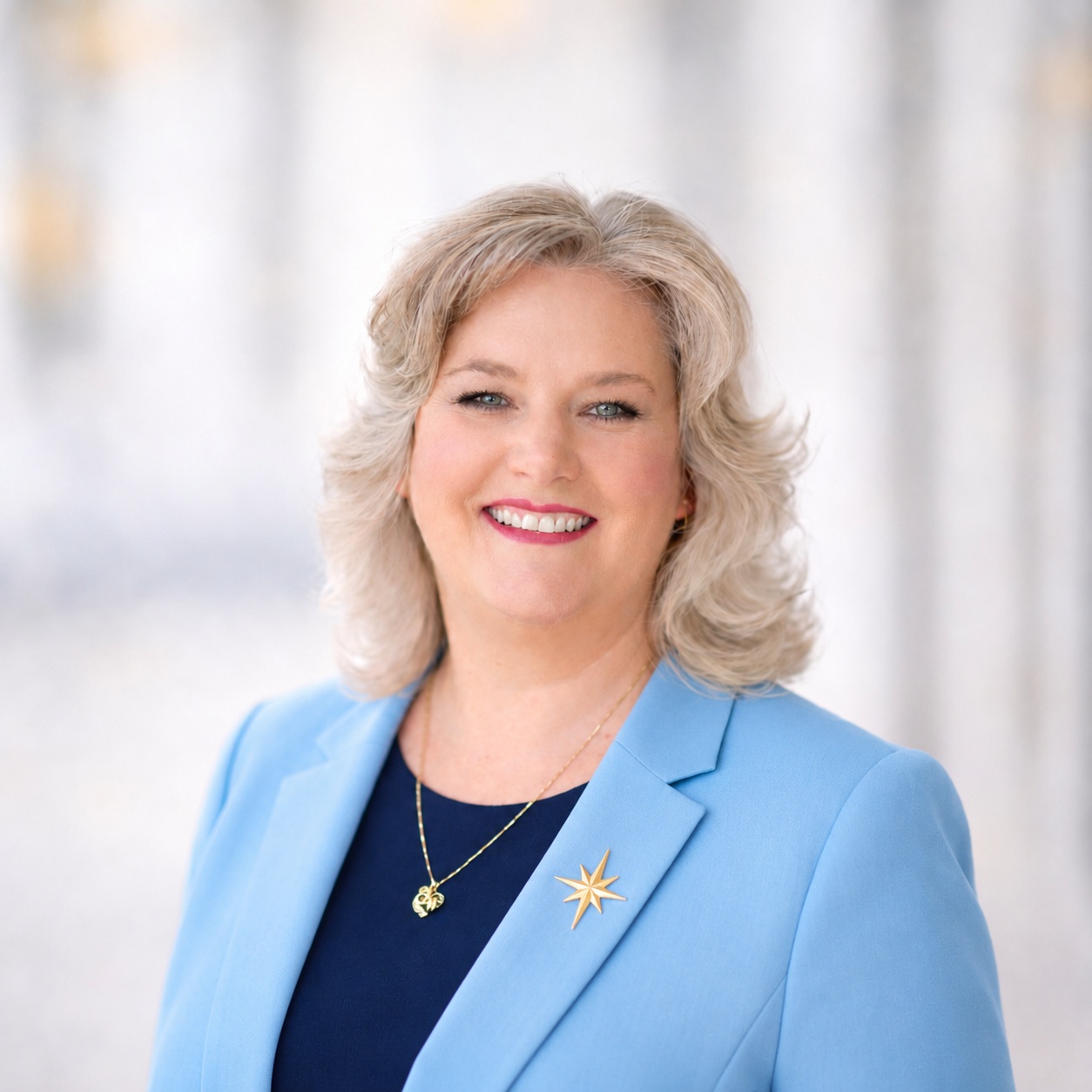
Patti Loveless, Broker
Cynosure Ventures, LLC | Guiding Every Move
Licensed since 2014, with 200+ transactions and over $50 million in sales. Patti specializes in land, homes on acreage, homesteads and small farms, and luxury homes across West Georgia.
Brokerage: 770-727-1590 | Cell: 678-910-5217 | Meet the team
Cynosure Ventures, LLC, 1051 Lemon Rd, Temple, GA 30179, 770-727-1590. Equal Housing Opportunity. Patti Loveless is a licensed real estate broker, not an attorney, surveyor, lender or tax advisor. This guide is general information only and is not legal, tax, lending, surveying, engineering, environmental or financial advice. Regulations, programs and financing options change; confirm details with the appropriate agency and qualified professionals.