


By Patti Loveless, Broker, Cynosure Ventures, LLC · Last updated
Yes, you can sell an inherited house in Georgia, but only after someone has legal authority to sign. That may come from letters testamentary or letters of administration issued by the probate court, a trust, or a survivorship deed. Once authority is confirmed, the sale works much like any other, with extra care around heirs, title and the home's condition.

- Heirs do not automatically have equal authority to sell. Authority comes from the probate court, a trust or the deed.
- Vacant inherited homes, especially in rural West Georgia, need to be secured, insured and checked on right away.
- Inherited property usually gets a "stepped-up" tax basis, so heirs who sell soon after inheriting often owe little or no capital gains tax.
- Georgia has no state inheritance tax, but property taxes, insurance and upkeep continue while the estate is settled.
One of the first questions families ask after losing a loved one is whether they can even sell the inherited house yet. Whether you inherited a home in Carroll County, rural land in Polk County or a family property with several owners, the process can get confusing quickly, because legal steps, emotions and ongoing expenses all collide at once.
Patti Loveless knows this from both sides. She served as executor of her own mother's estate, and she now helps West Georgia families work through inherited property with a clear order of steps.
Step 1: Who has legal authority to sell an inherited house in Georgia?
A common misconception is that every heir automatically has an equal say in selling the property. In reality, legal authority has to be established first, and it depends on how the property passed:
| Situation | Who usually signs to sell | Probate needed? |
|---|---|---|
| Will names an executor | Executor, once the probate court issues letters testamentary | Yes |
| No will | Administrator appointed by the probate court (letters of administration) | Yes, or a simplified court order in some cases |
| Home held in a trust | Successor trustee, under the trust's terms | Usually no |
| Deed with right of survivorship | Surviving owner | Usually no |
Before anyone signs a listing agreement or makes promises to a buyer, confirm who legally has the authority to act. Assumptions made too early cause some of the longest delays.
Step 2: Does an inherited house have to go through probate in Georgia?
Probate is the court process for settling a person's estate after death. Some inherited homes in Georgia must go through probate before they can be sold, and others do not. A home in a properly funded trust or held with a survivorship deed usually passes outside probate. Most other homes need the probate court to appoint a personal representative.
Many families hear "probate" and assume the worst, but in many cases it is simply a structured legal process. Patti does not handle the legal side of probate. She works alongside Georgia probate attorneys while preparing the property for sale. If the home is in Paulding County, the guide to selling probate real estate in Dallas, GA walks through the local court process.
Step 3: How do you protect a vacant inherited house?

Vacant inherited homes can develop problems fast, especially in rural Georgia where a property may sit unattended for weeks. Early steps include:
- Changing the locks if appropriate
- Forwarding the mail
- Keeping utilities on to prevent freeze, mold and moisture damage
- Telling the insurance company the home is vacant and confirming coverage
- Removing valuables and sensitive documents
- Checking on the property regularly
Talk with the other heirs early about who has keys and access, to prevent misunderstandings about the house and its contents.
Step 4: Should you keep, rent or sell the inherited house?
Not every inherited property should be sold. Families may choose to keep it, rent it, move in, or sell and divide the proceeds. Emotional attachment and financial reality do not always line up, so ask the practical questions:
- Can the property realistically be maintained?
- Are taxes and insurance affordable for whoever keeps it?
- Does the home need significant repairs?
- Do any heirs live nearby?
- Is inherited land becoming hard to manage?
Step 5: What documents do you need to sell an inherited house?
Selling inherited property is much smoother when documents are organized up front. Common documents include:
- Certified death certificate
- Will or trust documents
- Letters testamentary or letters of administration
- The property deed
- Mortgage or equity loan statements
- Property tax records
- Insurance policy
- HOA documents, if any
- Any survey, especially for rural land
In West Georgia, older deeds and boundary questions are common on family land and should be reviewed early.
Step 6: How should you prepare an inherited home for sale?
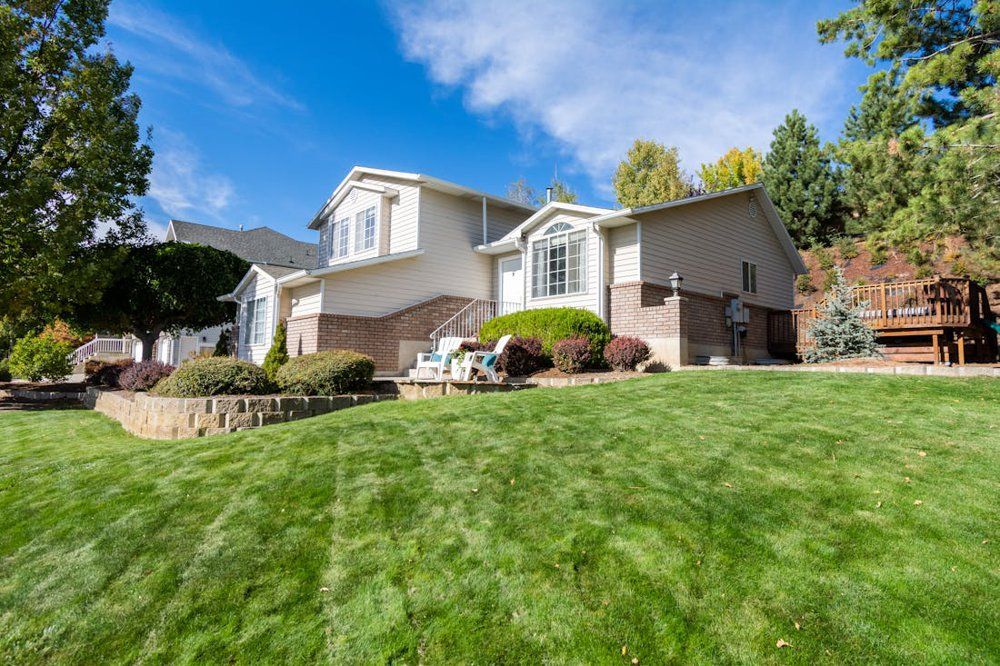
Preparing an inherited home can be emotionally and physically draining. This stage often includes estate clean-outs, donations or an estate sale, junk removal, cleaning and odor removal, minor repairs, yard work or land clearing, and septic or well inspections on rural property.
One of the most common mistakes is over-renovating. Many inherited homes do not need a full remodel to sell well. Practical repairs and a thorough clean usually return more than a new kitchen.
Step 7: How do you price an inherited house?
Pricing is hard when a home holds family memories. Buyers, however, focus on condition, updates, location, acreage, recent comparable sales and current demand. Careful pricing matters most for older homes, rural property, acreage and land, and homes with deferred maintenance. Homes that sit on the market too long are often overpriced from day one. The seller resources page explains how Patti prices and markets estate property.
Step 8: What if there are multiple heirs?
Selling with several heirs adds layers. Common challenges include one heir living in the home, disagreements about price, heirs who live out of state, an heir who refuses to sell, and disputes over belongings. Even close families can feel the strain. Clear communication, written agreements and the right attorney make the biggest difference.
Step 9: What comes up during inspections and closing?
Inherited property sales often uncover issues during the buyer's due diligence, such as title problems, boundary disputes, encroachments, septic or well issues, structural concerns, and limited seller disclosures because the heirs never lived there. The goal is not perfection. It is finding issues early so they do not delay closing. In Georgia, a closing attorney handles the title search, deed and recording.
What taxes apply when you sell an inherited house in Georgia?
- Stepped-up basis. Under IRS rules, inherited property generally takes a tax basis equal to its fair market value on the date of death. If you sell soon after inheriting, there may be little or no taxable gain.
- Capital gains. Tax usually applies only to any increase in value after the date of death.
- No Georgia inheritance tax. Georgia does not charge a state inheritance tax.
- Ongoing costs. Property taxes, insurance and upkeep continue while the estate is being settled.
- Transfer tax. Georgia's real estate transfer tax applies at closing, generally $1 per $1,000 of the sale price.
Tax situations vary, so talk with a tax professional before you sell.
What are the most common mistakes heirs make?
- Waiting too long to establish legal authority
- Letting the property sit vacant and unchecked
- Overpricing out of emotion
- Overspending on renovations
- Poor communication between heirs
- Ignoring title or survey issues
- Relying on verbal agreements
- Hiring professionals who are not familiar with estate property
Frequently asked questions about inherited property in Georgia
Can one heir force the sale of an inherited house in Georgia?
Sometimes. A co-owner can ask the superior court for a partition, which can lead to a court-ordered sale. When the property qualifies as heirs property, Georgia's Uniform Partition of Heirs Property Act, adopted in 2012, adds protections such as an appraisal and a chance for the other heirs to buy out the share first. Talk with an attorney before it gets that far.
Does every inherited house in Georgia go through probate?
No. Homes held in a properly funded trust or with a clear right of survivorship on the deed usually pass outside probate. Most other homes need the probate court to appoint someone with authority to sell.
How long does it take to sell an inherited house in Georgia?
It varies. The legal side, including probate, creditor notices and any heir disagreements, often takes longer than the sale itself. Once authority is in place, the listing and closing timeline is similar to any other home in the area.
What if one heir is living in the inherited house?
This is common and can slow things down. The personal representative or co-owners need a clear written agreement about rent, expenses and a move-out date. If the heirs cannot agree, an attorney can explain the options.
Do I pay capital gains tax on an inherited house?
Often very little. Inherited property usually takes a stepped-up basis equal to its value at the date of death, so tax generally applies only to growth after that date. A tax professional can confirm your numbers.
Not sure what to do next with an inherited house?
If you are handling an inherited house, land or estate property in West Georgia, you are likely dealing with more than paperwork. For many families this happens during grief, stress or a major life change. You do not have to figure everything out at once. Patti can help you understand your options, coordinate with your attorney and walk you through the next practical step, whether you are in probate, managing several heirs or getting the property ready to sell.
Talk with Patti about an inherited homeSee how Patti sells homes

Patti Loveless, Broker
Cynosure Ventures, LLC | Guiding Every Move
Licensed since 2014, with 200+ transactions and over $50 million in sales. Patti helps West Georgia families sell homes, land and acreage, and through Home, Heirs & Equity she guides heirs through inherited property with care.
Brokerage: 770-727-1590 | Cell: 678-910-5217 | Meet the team
Cynosure Ventures, LLC, 1051 Lemon Rd, Temple, GA 30179, 770-727-1590. Equal Housing Opportunity. Patti Loveless is a licensed real estate broker, not an attorney or tax advisor. This article is general information only and is not legal, tax or financial advice. Confirm your situation with a Georgia probate attorney, tax advisor or closing attorney.