


By Patti Loveless, Broker, Cynosure Ventures, LLC · Last updated
Georgia homeowners can protect their home by checking how the deed is titled, keeping a current will, durable power of attorney and healthcare directive, organizing property and financial records in one place, and talking through "stay or sell" before a crisis. A surviving spouse should slow down, secure the home and confirm legal authority before making any permanent decision.

- Do not assume the house "just goes" to your spouse. How the deed is written decides whether probate is needed.
- A will, durable power of attorney, advance healthcare directive and current beneficiary designations are the minimum for most couples.
- A surviving spouse does not have to make permanent decisions in the first 30 days, and should not sign a quick-sale contract under pressure.
- Federal rules generally let a surviving spouse who inherits the home keep the existing mortgage and keep making payments.
Why do so many families put off planning?
Most families do not avoid planning because they are irresponsible. They avoid it because it is uncomfortable. Talking about death, incapacity, probate or selling the family home feels heavy. Still, the best decisions are made while emotions are calm and options are open.
For Georgia homeowners, especially those 55 and older, the home is often the largest asset. Whether you are planning ahead as a couple or finding your way after the loss of a spouse, understanding how ownership, probate and housing decisions work protects both your peace of mind and your equity.
What should Georgia couples do before anything happens?
1. Confirm how your home is titled
Pull your deed and read exactly how ownership is written. Deeds are recorded with the Clerk of Superior Court in the county where the property sits, and your closing attorney or the clerk's office can help you find yours.
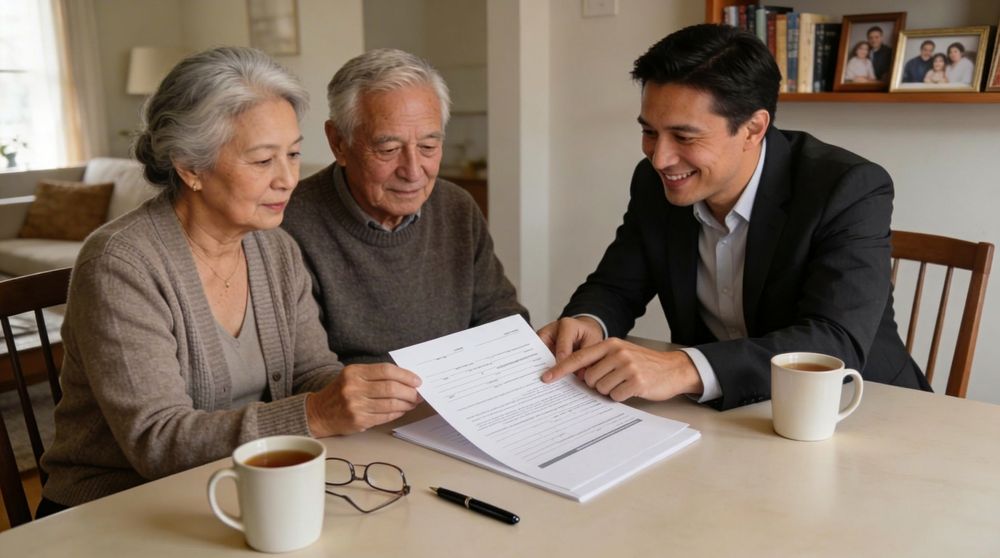
One small phrase on a deed can mean the difference between a home that passes to a spouse immediately and one that waits months for probate.
2. Update your estate planning documents
At a minimum, most couples should have:
- A current Last Will and Testament
- A Durable Financial Power of Attorney
- An Advance Directive for Health Care
- Up-to-date beneficiary designations on accounts and policies
Some families also benefit from a trust to simplify the transfer of assets and reduce probate. The goal is clarity, not complexity. An estate planning attorney can tell you what fits your situation.
3. Organize financial and property records
In many households, one spouse handles most of the finances. When that spouse passes, the other may not know where to start. Create one clearly labeled place, both paper and digital, that holds:

- Deed, mortgage and home equity loan information
- Property tax and homestead exemption records
- Homeowners, life and long-term care insurance policies
- Bank, retirement and investment account details
- Contact information for your attorney, CPA, financial advisor and real estate professional
This one step can prevent panic during an already emotional season. The free Georgia Planning Checklist includes a fill-in "Love File" page for exactly these records.
4. Have the "stay or sell" conversation now
This conversation is uncomfortable, and it is necessary. Ask each other:
- Would this home feel manageable for one person?
- Is the upkeep realistic as we get older?
- Would downsizing make life easier?
- Would we rather be closer to our children?
You are not locking in a decision. You are creating clarity, so that if one spouse is left to decide alone, they do not carry unnecessary guilt. The guide on when to downsize your home in Georgia can help frame that talk.
How does the way your home is titled affect what happens next?
| How the deed reads | What usually happens when one owner dies |
|---|---|
| Joint tenants with right of survivorship | Ownership usually passes to the surviving owner without probate. In Georgia, the survivorship language must be clearly stated in the deed. |
| Tenants in common | The deceased owner's share passes through their estate, often through probate. |
| Sole ownership | The home usually passes through probate under the will, or under Georgia law if there is no will. |
| Held in a trust | The successor trustee usually manages or sells the home under the trust's terms without probate. |
Your estate planning attorney should confirm how this applies to your deed. Families dealing with a home that did not pass automatically can read how to sell an inherited house in Georgia.
What should a surviving spouse do first?
If you are reading this after losing your spouse, slow down. You do not have to make permanent decisions right away.
The first 30 days: focus on stability
Your priority is protection, not change.
- Order several certified copies of the death certificate.
- Notify the homeowners insurance company, but do not cancel coverage.
- Keep making mortgage payments if there is a loan.
- Secure the property and keep utilities on.
- Do not sign a quick-sale contract.
Investors sometimes target grieving homeowners with "easy" cash offers. Quick is not always wise.
30 to 90 days: clarify legal authority
Now is the time to find out:
- How the property was titled
- Whether it transferred automatically
- Whether probate is required
- Who has the authority to sell, if selling becomes the right choice
If probate is necessary, the probate court must appoint a personal representative before the home can be sold. Georgia also allows a surviving spouse or minor children to petition for "year's support," which can set aside property, sometimes including the home, for their support. Probate can take several months, but it is a structured process, not a crisis. An estate attorney can explain your timeline. For the Paulding County process, see selling probate real estate in Dallas, GA.
Should a surviving spouse stay or downsize?
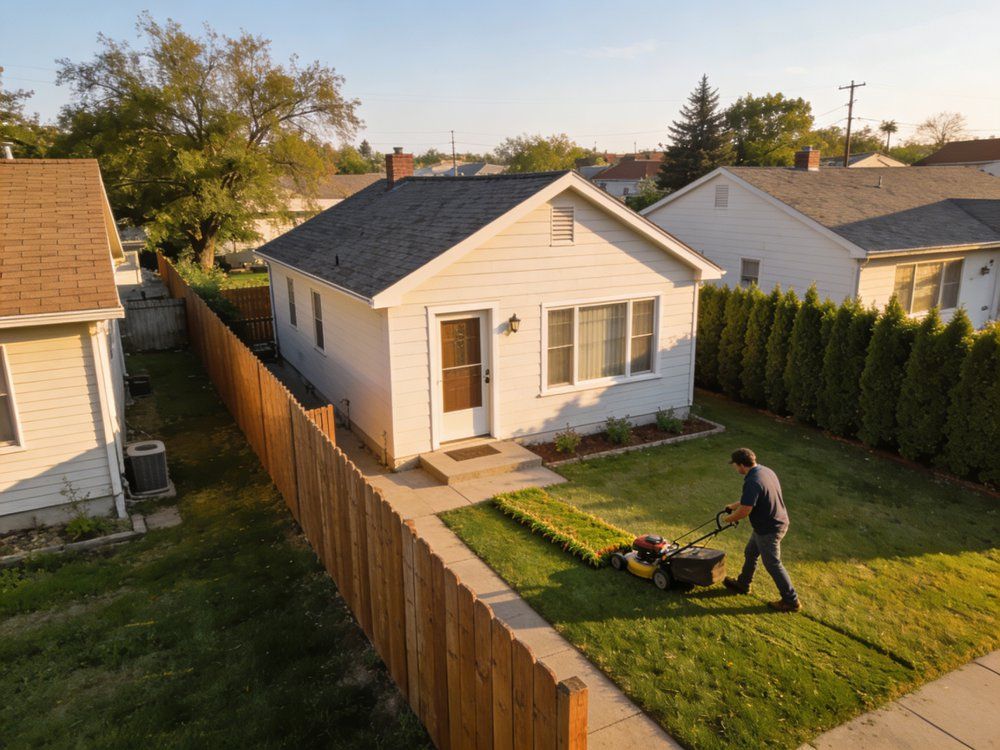
This decision is rarely just about money. Many surviving spouses ask themselves:
- Is this house too much to manage alone?
- Is most of my wealth tied up in home equity?
- Would downsizing free up money for retirement or healthcare?
- Would a smaller home or an active adult community reduce stress?
For some, the home provides comfort and stability. For others, it becomes overwhelming. There is no universal answer, only the one that protects your long-term well-being.
A tax note for surviving spouses: IRS Publication 523 explains that a surviving spouse who sells the main home within two years of a spouse's death may still be able to use the larger $500,000 home-sale exclusion if certain conditions are met. Patti Loveless is not a CPA; consult a CPA before you set a timeline.
What happens to the mortgage when a spouse dies?
Even if the loan was only in your spouse's name, federal law generally protects a surviving spouse who inherits the home. The Garn-St. Germain Act limits a lender's ability to call the loan due because the home passed to a spouse, and Consumer Financial Protection Bureau rules require mortgage servicers to work with a confirmed "successor in interest" much as they would with the original borrower.
The key is communication. Do not stop paying without understanding the consequences. Call the servicer, explain that your spouse has died, and ask for the list of documents they need to confirm you as a successor in interest.
What if you decide to sell?
When selling becomes the right step, strategy matters. Homes owned for decades call for a different approach than recently updated homes. Instead of rushing into major renovations, focus on:
- Gradual decluttering
- Safety and structural repairs
- Professional pricing guidance based on local sales
- Comparing more than one offer
Be cautious with "as-is" cash buyers. Convenience often comes at the cost of equity. You spent decades building that equity, so protect it. The seller resources page explains how Patti markets long-owned homes.
Frequently asked questions about protecting your home in Georgia
Does a house automatically go to the surviving spouse in Georgia?
Only in some cases. If the deed clearly creates a right of survivorship, the home usually passes to the surviving owner. If not, it passes through the deceased spouse's estate under the will, or under Georgia's inheritance law if there is no will, which can mean the spouse shares ownership with the children.
Does having a will keep my home out of probate in Georgia?
No. A will tells the probate court what you want, but it usually still has to be probated. Survivorship deeds and properly funded trusts are the common ways a home passes outside probate.
Can a surviving spouse keep the existing mortgage?
Generally, yes. Federal law limits a lender's ability to call the loan due when a home passes to a surviving spouse, and servicers must work with a confirmed successor in interest. Keep paying and contact the servicer early.
What is year's support in Georgia?
Year's support is a Georgia probate procedure that lets a surviving spouse or minor children ask the court to set aside property, which can include the home, for their support during the year after a death. A probate attorney can tell you whether it fits your situation.
Should I sell my house right after my spouse dies?
Usually not right away. Secure the home, keep insurance and payments current, and confirm who has legal authority first. Most people make better decisions after the first few months, with a clear picture of their finances and options.
Get your plan in place before the pressure is on
The best time to plan is while the choice is still yours. If you are a couple, preparing now prevents confusion later. If you are a surviving spouse, clarity replaces pressure. You do not have to make these decisions in crisis mode, and you do not have to make them alone.
Patti's free Georgia Planning Checklist walks homeowners through the legal documents, financial records, family conversations and housing decisions that protect the home and the people in it, including a fill-in Love File for your family. Download it instantly and fill it in on screen or by hand.
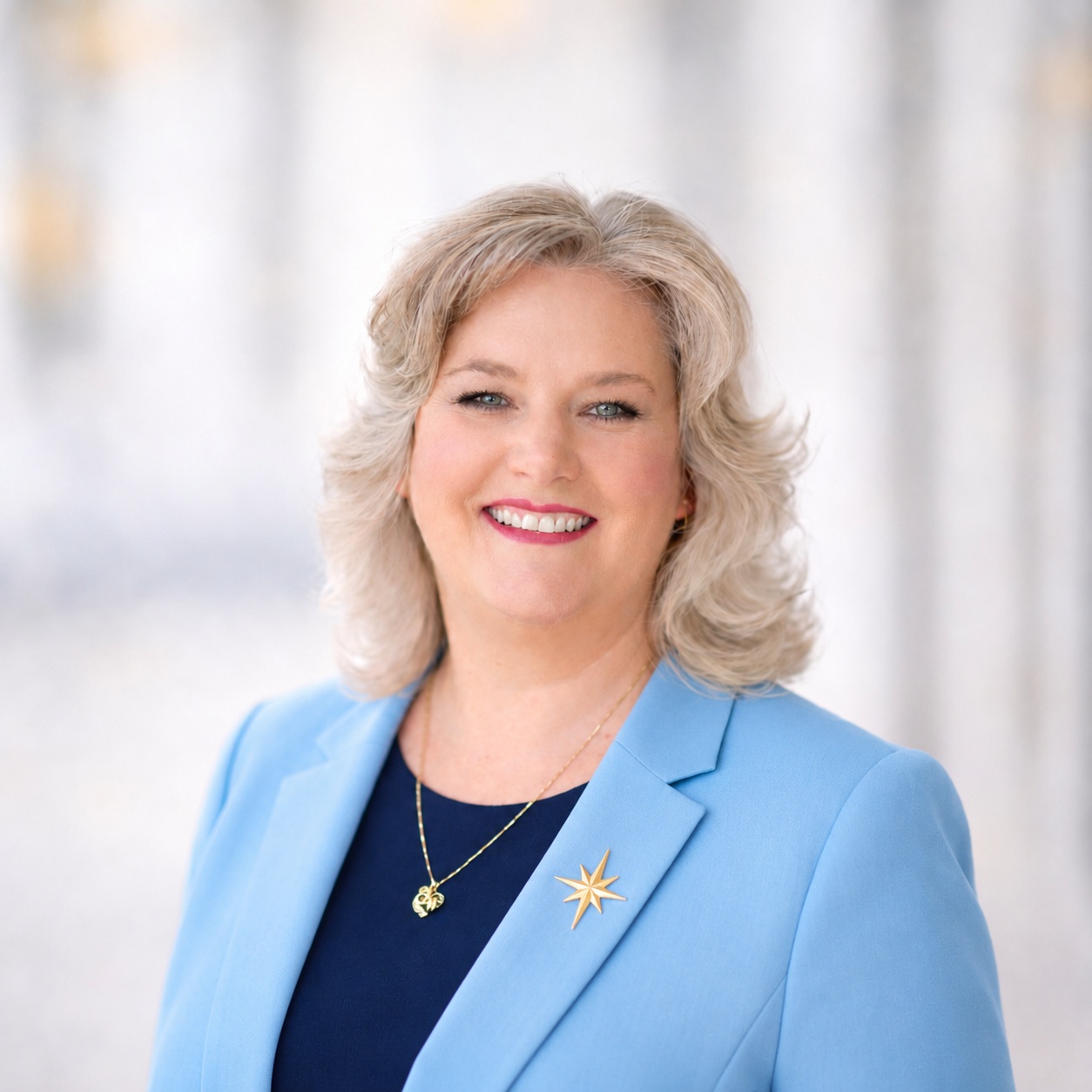
Patti Loveless, Broker
Cynosure Ventures, LLC | Guiding Every Move
Licensed since 2014, with 200+ transactions and over $50 million in sales. Patti helps West Georgia families plan wisely, protect what they have built and move forward with peace of mind.
Call or text: 678-910-5217 | Meet the team
Cynosure Ventures, LLC, 1051 Lemon Rd, Temple, GA 30179, 678-910-5217. Equal Housing Opportunity. Patti Loveless is a licensed real estate broker, not an attorney or CPA. This article is general information only and is not legal, tax or financial advice. Consult a CPA about all tax matters, and confirm your situation with a Georgia estate planning attorney or lender.